
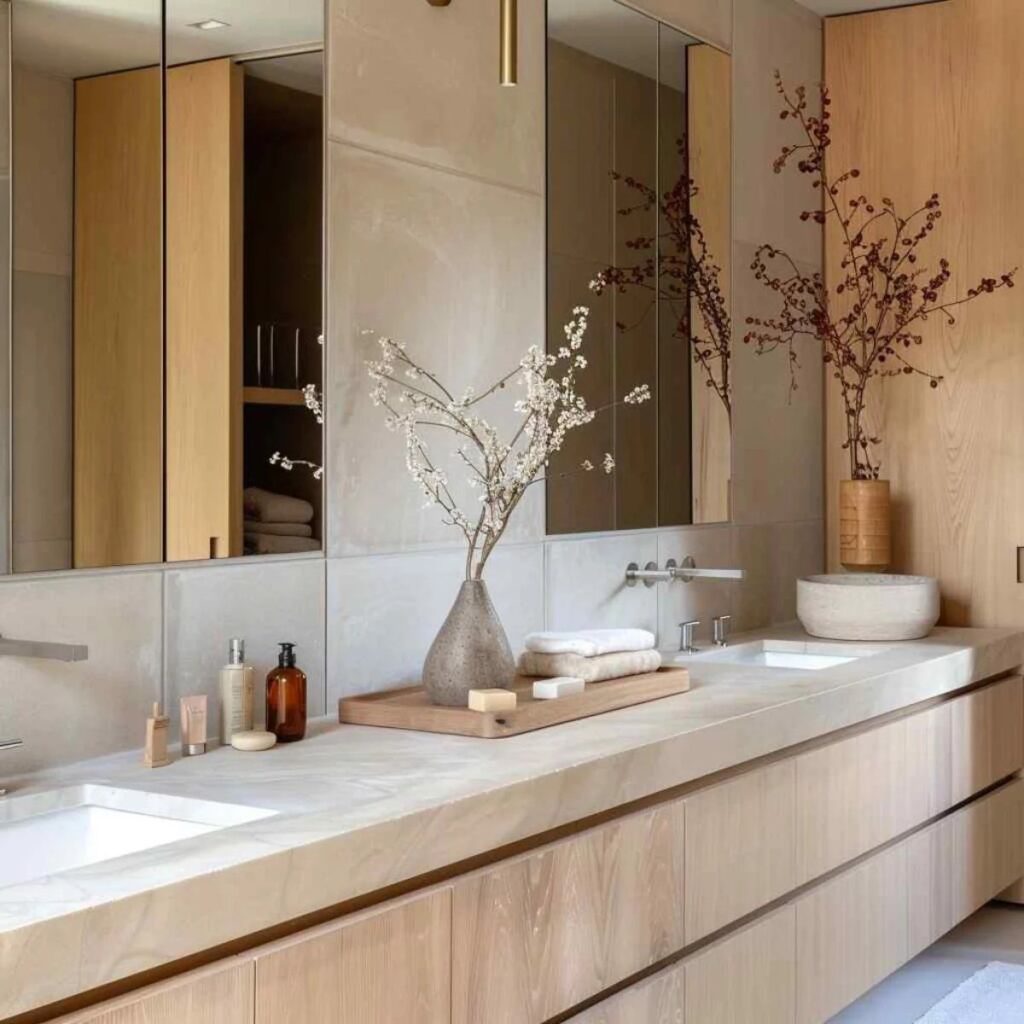
Choosing the right bathroom countertop can make a bigger difference than you might expect. It affects the room’s appearance, daily convenience, cleaning routine, and even how much usable space you have around the sink. IKEA bathroom countertops are worth exploring if you’re planning a vanity upgrade or designing a bathroom with a clean, modern look. IKEA offers bathroom vanity combinations, sink options, and countertop solutions in different styles and configurations, although product ranges vary by country. Understanding the materials, dimensions, and compatibility requirements before shopping can help you avoid costly mistakes and create a bathroom that works beautifully.
Why Choose IKEA Bathroom Countertops?
IKEA is known for practical furniture and modular home solutions, and its bathroom range follows a similar approach. Its vanity systems are designed to coordinate cabinets, sinks, and countertop surfaces, making it easier to create a consistent appearance without sourcing every component separately.
For homeowners working with a defined budget, this coordinated approach can simplify the planning process. You can compare vanity widths, storage options, finishes, and sink styles in one place. However, not every countertop fits every vanity, so checking the product specifications is essential.
Benefits of IKEA Bathroom Vanity Tops
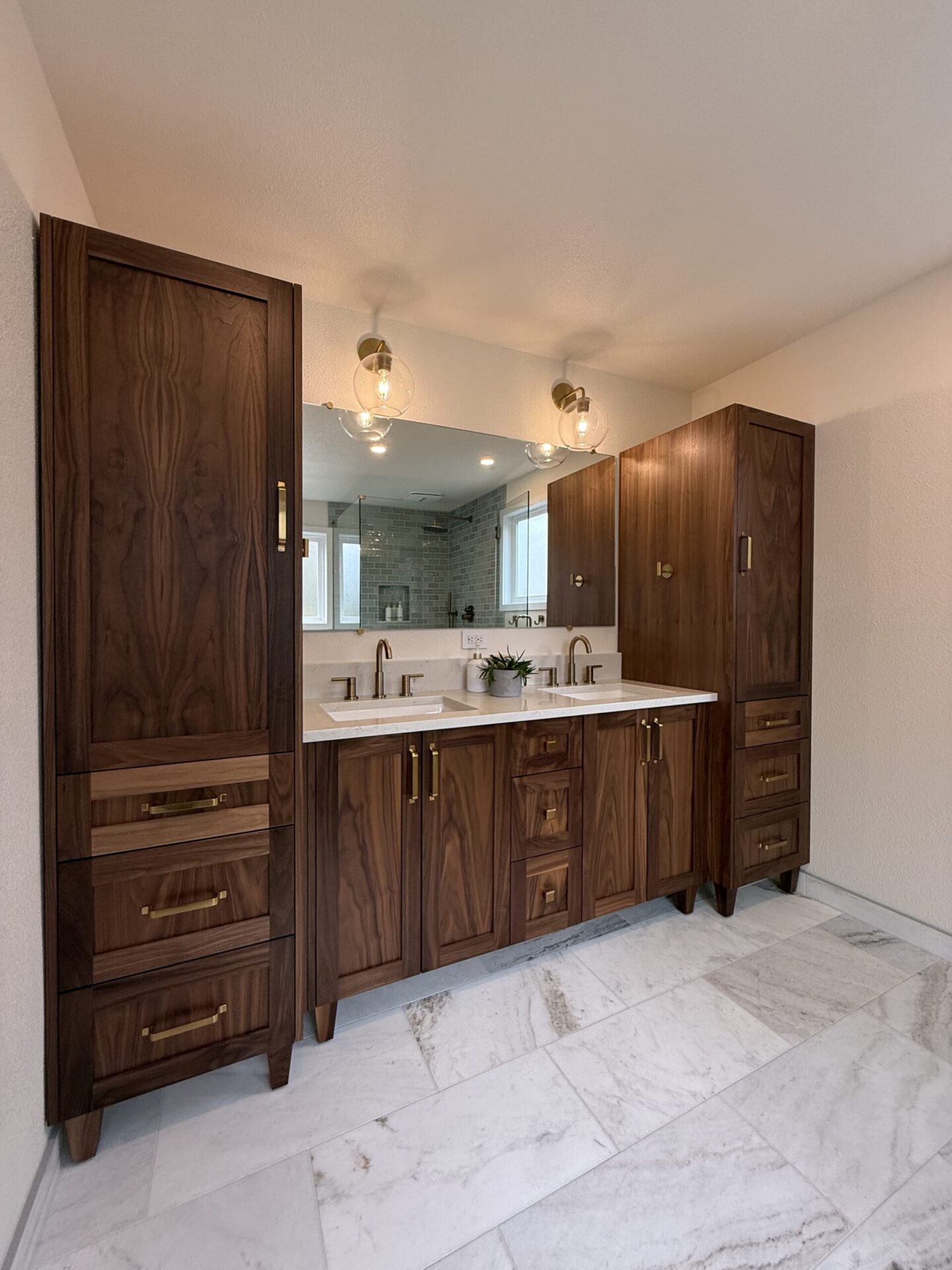
One major advantage is design consistency. IKEA bathroom countertops are generally intended to work with selected vanity units, which can reduce guesswork when choosing matching components. Depending on the product, you may find integrated sink designs, countertop-only options, or combinations intended for specific cabinet ranges.
Another benefit is the availability of coordinated finishes. Neutral colors, clean edges, and understated designs can complement contemporary, Scandinavian-inspired, and minimalist bathrooms. The right countertop can make even a simple vanity feel more polished.
Popular IKEA Bathroom Countertop Materials
Countertop material affects durability, maintenance, appearance, and price. Before choosing a surface, consider how often the bathroom is used, whether children share it, and how much time you want to spend cleaning.
IKEA’s current bathroom countertop materials and product names vary across markets. Always check the specifications of the exact item rather than assuming that every material or style is available in every location.
Quartz and Engineered Stone
Engineered stone surfaces are popular for their consistent appearance and relatively low-maintenance qualities. They can offer a refined, stone-like look without the natural variations found in some stone slabs.
If you’re considering an engineered stone countertop, review its care instructions and resistance to stains, scratches, and heat. Bathroom surfaces regularly encounter cosmetics, toothpaste, water, and cleaning products, so suitability for everyday use matters more than appearance alone.
Ceramic and Porcelain
Ceramic and porcelain surfaces are common choices for bathrooms because they are easy to clean and work well with moisture-prone environments. They can create a smooth, bright appearance that suits both traditional and modern interiors.
Look closely at the edges, sink design, and finish. A glossy white surface can make a bathroom feel fresh, while a more understated finish may complement wood-effect vanity cabinets or darker fixtures.
IKEA Bathroom Countertop Sizes and Dimensions
Choosing the correct size is essential for a successful vanity installation. Measure the cabinet width and depth, available wall space, plumbing position, and the clearance needed for doors and drawers.
IKEA bathroom products are sold in specific dimensions, and countertop compatibility can depend on the exact vanity series. Don’t rely on a general size estimate when ordering. Check the product’s official measurements and installation instructions, including any required overhang or support details.
Choosing the Right Countertop for Your Bathroom
Start by considering how the bathroom is used. A family bathroom may need a durable, easy-to-clean surface with enough room for everyday toiletries. A guest bathroom may prioritize appearance and a compact footprint, while an en-suite may benefit from a more personalized design.
Think about the sink as well. An integrated basin creates a coordinated look and can reduce visible joints around the sink. A separate countertop basin can add visual interest, but it requires careful planning for faucet height, splash protection, and usable counter space.
IKEA Bathroom Countertops for Small Bathrooms
Small bathrooms need surfaces that make the most of limited space. A compact vanity top with a well-positioned sink can leave enough room for soap, a toothbrush holder, and other essentials without overwhelming the room.
Light-colored countertops can help reflect available light and create a more open feeling. Pairing a simple top with a wall-mounted vanity can also make the floor appear less crowded. Before selecting a narrow unit, confirm that the basin remains comfortable to use and that the faucet doesn’t create excessive splashing.
Matching Countertops With IKEA Bathroom Vanities
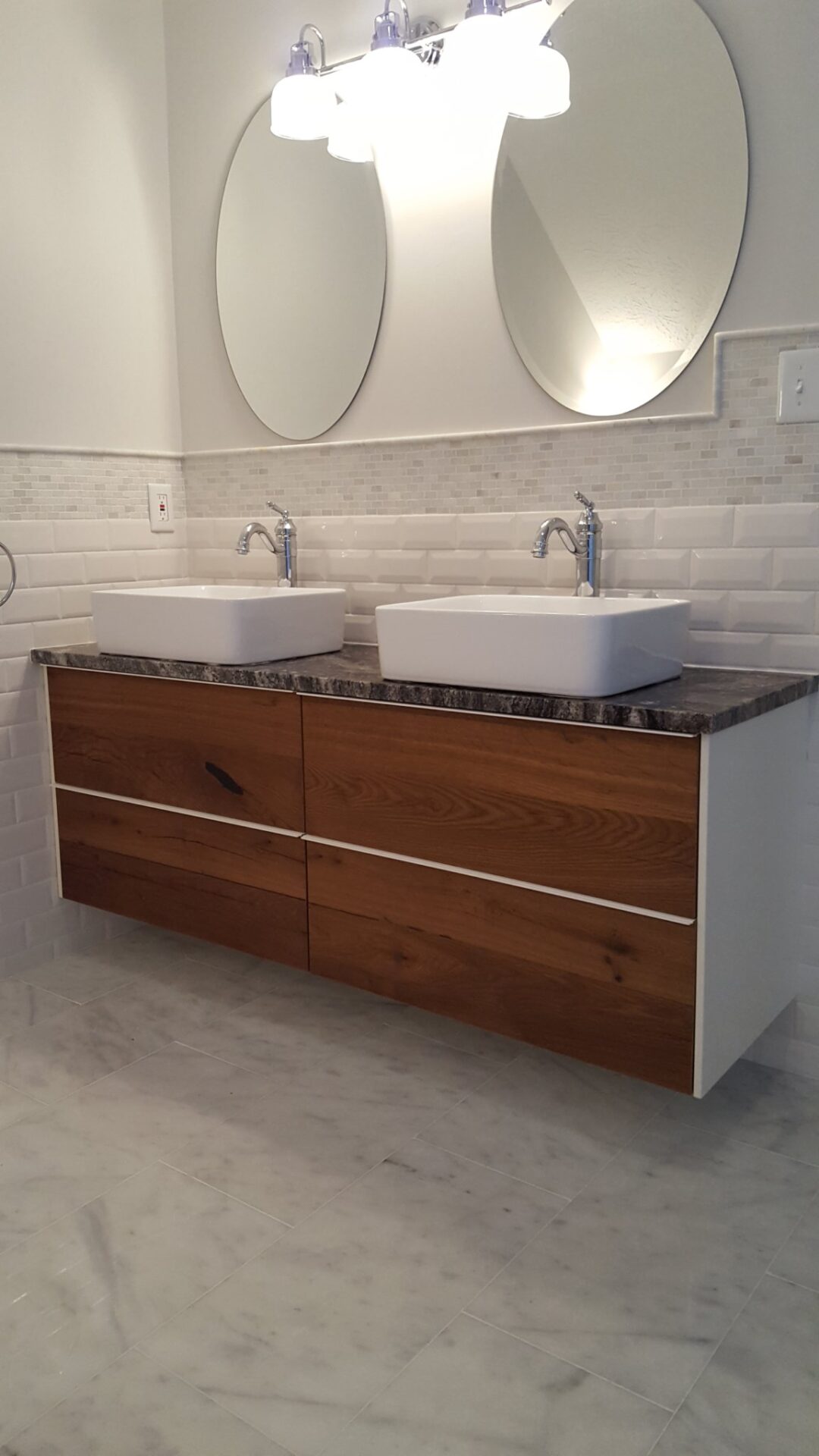
A countertop should complement the vanity cabinet rather than compete with it. White surfaces pair easily with many cabinet finishes, while stone-effect patterns can add texture to plain fronts. Wood-effect cabinets often look balanced with white or soft neutral countertops.
Check the intended vanity system before purchasing. A countertop designed for one IKEA range may not fit another, even if the overall dimensions appear similar. Pay attention to mounting requirements, sink cutouts, brackets, and wall support.
Integrated Sinks vs. Separate Countertops
An integrated sink and countertop create a continuous surface that can be easier to wipe down. With fewer visible seams around the basin, there are fewer places for residue to collect. This option also gives the vanity a streamlined appearance.
Separate countertop and vessel-basin combinations offer more flexibility in shape and style. However, they require more attention to faucet placement, basin height, waterproofing, and countertop space. The best choice depends on whether convenience or design flexibility matters most.
Colors and Finishes That Suit Modern Bathrooms
White remains a versatile option because it works with almost any bathroom palette. Warm beige and stone-inspired finishes can create a softer, more natural look, while darker surfaces can add contrast to pale cabinetry.
For a coordinated design, repeat one or two finishes across the room. For example, a white countertop can work with brushed metal faucets, light wood cabinetry, and neutral wall tiles. Avoid introducing too many competing patterns in a small bathroom.
Installation and Compatibility Considerations
Before installation, verify that the countertop, vanity cabinet, and sink are designed to work together. Confirm the dimensions, mounting hardware, faucet-hole requirements, and plumbing access. Some products may require specific brackets or professional installation.
The wall and cabinet must also be capable of supporting the finished unit. Follow the manufacturer’s instructions for sealing joints and protecting areas exposed to water. If plumbing or electrical work is involved, use a qualified professional.
Cleaning and Maintaining Your Bathroom Countertop
Regular cleaning helps preserve the countertop’s appearance. Wipe away toothpaste, soap, cosmetics, and standing water with a soft cloth and a cleaner approved for the material. Avoid abrasive pads or harsh chemicals unless the manufacturer’s care guide specifically permits them.
Pay particular attention to joints around the sink and backsplash. Check sealant periodically and address damaged areas before water reaches the cabinet beneath. Simple daily care can prevent stains and help keep the vanity looking fresh.
Common Buying Mistakes to Avoid
One frequent mistake is choosing a countertop based only on appearance. A beautiful surface may not fit the selected vanity or suit the household’s maintenance preferences. Always confirm product compatibility and care requirements before purchasing.
Another mistake is forgetting the faucet and sink dimensions. A countertop may have limited space for a faucet, soap dispenser, or other accessories. Measure the entire arrangement, not just the cabinet width.
It’s also important to check local availability. IKEA product names, dimensions, finishes, and materials can differ between countries, and an item shown online may not be offered in every market.
Are IKEA Bathroom Countertops Worth It?
IKEA bathroom countertops can be a practical choice when you want a coordinated vanity design, straightforward shopping, and a modern appearance. Their value depends on the specific product, material, installation requirements, and how well it suits your bathroom.
Compare the complete cost rather than the countertop price alone. Include the vanity cabinet, sink, faucet, fittings, delivery, and installation. A well-matched combination that is easy to maintain can offer better long-term value than a cheaper surface that requires modifications or replacement.
Conclusion
The right IKEA bathroom countertop can improve both the appearance and everyday function of your vanity. Material, size, sink configuration, and cabinet compatibility all deserve attention before you make a purchase. A coordinated countertop and vanity can create a clean, modern look, while thoughtful planning helps ensure the finished installation is comfortable and durable.
Measure carefully, compare the specifications of available products in your market, and choose a surface that suits your bathroom routine. With the right combination, you can create a vanity area that looks attractive, stays organized, and is easy to maintain.
Have Questions? Book a free consultation with us.
Frequently Asked Questions
1. Does IKEA sell bathroom countertops separately?
Some IKEA bathroom ranges offer countertop-only products, while others are sold as coordinated vanity and sink combinations. Availability depends on the country and product range, so check your local IKEA catalog.
2. Are IKEA bathroom countertops waterproof?
Bathroom countertops are designed for use in moisture-prone spaces, but that doesn’t mean every surface or joint is completely waterproof. Follow the manufacturer’s sealing, installation, and maintenance instructions to protect the countertop and cabinet.
3. Can I use an IKEA countertop with a different vanity cabinet?
Possibly, but compatibility should never be assumed. Check the dimensions, support requirements, sink position, and mounting instructions before combining products from different manufacturers or ranges.
4. How do I clean an IKEA bathroom countertop?
Use a soft cloth and a cleaning product suitable for the specific countertop material. Wipe up spills and standing water regularly, and avoid abrasive cleaners unless the product instructions say they are safe.
5. What is the best countertop color for a small bathroom?
White, cream, and light stone-inspired finishes are popular because they reflect light and create an open appearance. The best choice also depends on the vanity finish, wall color, lighting, and overall bathroom style.


